
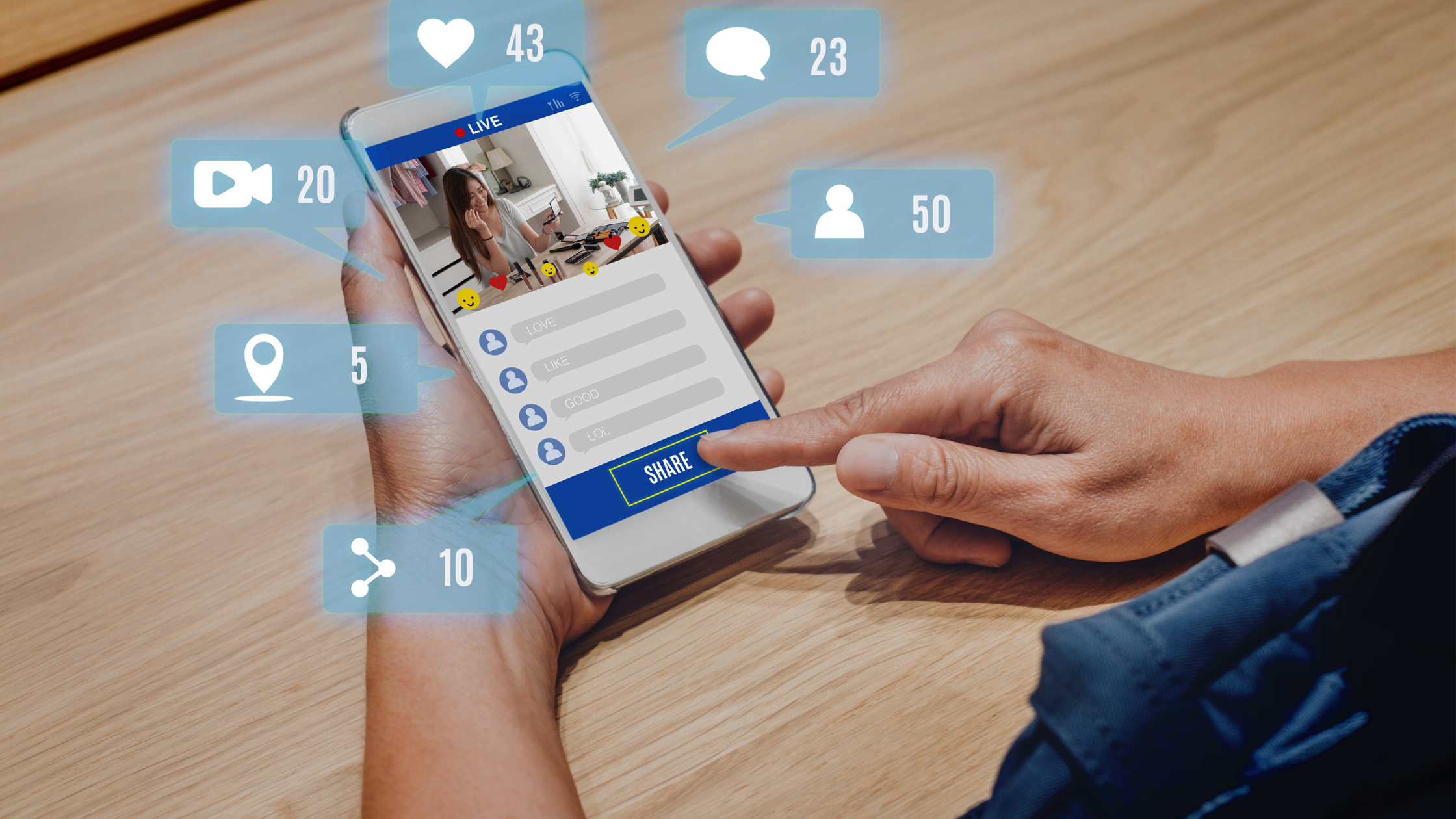
The influencer industry has always been about connection. Followers don’t just buy into a look or a lifestyle; they buy into the person behind the screen. But with the rise of AI-generated influencers, brands are starting to ask a new question: Does authenticity really matter as much as we think?
A recent Reuters report suggests the answer is complicated.
The Case for AI Influencers
AI-driven personas are attractive to brands for obvious reasons:
- Cost savings: No travel budgets, no drama, no scheduling conflicts.
- Consistency: A brand can control tone, aesthetics, and messaging down to the pixel.
- Scalability: AI influencers don’t sleep. They can post, stream, and engage with audiences 24/7 across multiple languages and platforms.
- Trust: Because they aren’t real and can only say what their humans program them to say, you’re far less likely to see an AI influencer engage in controversial or problematic behavior.
For businesses chasing reach and efficiency, AI-generated influencers look like a marketer’s dream.

But Here’s the Catch: Authenticity
The very thing that makes AI-generated influencers so “perfect” is also what makes them risky. People, especially younger audiences, are quick to spot what feels fake.
- Imperfections are what connect us. Followers love influencers who stumble through a cooking tutorial, share bad hair days, or admit to burnout. AI personas can mimic flaws, but they can’t live them.
- Emotions drive trust. Real human experiences—joy, frustration, surprise—create emotional bonds. AI can simulate emotions, but the lack of lived experience may leave followers cold.
- Cultural nuance matters. One offbeat meme or viral moment can skyrocket an influencer to fame. But AI is still catching up when it comes to cultural relevance and timing.
Gen Z: Leading the Way
- Nearly half of 19 to 21-year-olds follow AI influencers. One survey of 2,001 U.S. consumers aged 12–27 found that 47% of young men and just under 40% of young women in that age range engage with AI influencer content.
- Overall, Gen Z shows greater openness toward AI personas. In a separate 2024 study, 46% of Gen Z reported being more interested in brands using AI influencers—higher than the cross-generational average of 37%.
Gen Alpha: On the Rise
- While there’s no exact percentage given for Gen Alpha followers of AI influencers, research consistently notes that AI influencers are explicitly designed to appeal to both Gen Z and Gen Alpha, who are deeply integrated with digital media from an early age.
- Gen Alpha’s social and digital immersion is profound—almost half of Alphas trust influencers as much as their own family when it comes to product recommendations. Their social lives are shaped from infancy by AI, tablets, smart devices, and personalized content.
Why Gen Z Both Craves Authenticity and Engages With AI Influencers
On the surface, it looks contradictory: Gen Z is the generation that demands raw, unfiltered, “authentic” content… yet they’re also the biggest audience for AI-generated influencers.
Here’s what’s actually happening:
1. Novelty & Curiosity Drive Engagement
- Gen Z are digital natives. They grew up testing every new tech trend first. AI influencers are less about “believing in their authenticity” and more about engaging with the spectacle of what’s possible.
- Following an AI influencer is like following a meme page or a parody account: the entertainment value matters more than emotional connection.
2. Aesthetic & Algorithm-Friendly Content
- AI influencers are designed to produce flawless visuals that fit perfectly into Instagram, TikTok, and YouTube feeds.
- For Gen Z, that “perfect aesthetic” is engaging, even if they know it’s not “authentic.” They scroll, they like, they share — but it doesn’t necessarily mean they trust AI influencers the way they trust humans.
3. Dual Expectations: Authenticity from Humans, Performance from AI
- Gen Z does want authenticity — but primarily from human influencers. They don’t expect AI influencers to be “real.” Instead, they treat them as a different category of entertainment.
- Think of it like this: Gen Z may go to a stand-up comedy show for authentic human connection and binge animated sitcoms for entertainment. AI influencers fit into that second lane.
4. Gen Alpha Will Normalize It
- Gen Alpha, growing up with AI from birth, may blur the line further. For them, AI influencers won’t be a novelty — they’ll just be part of the digital landscape, alongside humans.

The Future: Coexistence, Not Replacement
Instead of an all-or-nothing battle, the future of influence may be a hybrid model:
- AI for scale. Brands might use virtual influencers for high-frequency, low-stakes content (product demos, explainer videos, branded updates).
- Humans for authenticity. Real influencers will remain the face of campaigns that require emotional depth, vulnerability, and cultural connection.
- Collaboration opportunities. Imagine a human influencer partnering with an AI counterpart—merging reach and authenticity into a single campaign.
What This Means for Marketers and PR Pros
Marketers shouldn’t dismiss AI influencers as a gimmick, nor should they assume humans are becoming irrelevant. The smart play is to understand the strengths of each:
- AI = control, scalability, consistency
- Human = authenticity, trust, emotional resonance
The influencer market is shifting, but the underlying truth hasn’t changed: people crave connection.
AI may change the look of influence, but it won’t erase the need for human voices.
Would you trust an AI influencer as much as a human one? Or do you think we’ll always prefer the messy, unpredictable reality of real people?
Remember, AI won’t take your job. Someone who knows how to use AI will. Upskilling your team today, ensures success tomorrow. In-person and virtual training workshops are available. Or, schedule a session for a comprehensive AI Transformation strategic roadmap to ensure your team utilizes the right AI tech stack and strategy for your needs. From custom prompt libraries to AISO, Human Driven AI is your partner in AI success.

Navigating AI Risks: Protect Your Brand’s Voice
Your brand voice can now be replicated, reshaped, and misrepresented by AI. Learn why it has become a legal asset and how communications teams must adapt to protect and control their narrative.


AI Doesn’t Create Chaos. It Reveals It
The first article in the Human-Led AI Adoption series explains why AI exposes workflow gaps and how organizations build governance, clarity, and scalable integration.


Paid Media Is Coming to AI Conversations (Yes, Even the Personal Ones)
Paid and sponsored content in AI models is here. Small test are proving valuable as brands try to connect authentically without intrusion.