
Category: AI workflows
-

Claude Cowork Is Changing AI From a Tool to A Teammate
Claude Cowork points to a bigger shift in workplace AI: from asking AI to complete individual tasks to delegating pieces of a workflow. The opportunity isn’t simply faster work. It’s deciding what AI should own, what humans should own and how the two work together.
-

ChatGPT WORK Begs the Question: What Work Can I Give to AI?
ChatGPT Work represents an important shift in enterprise AI: from asking AI to complete individual tasks to giving it a defined role inside a workflow. For marketing and communications teams, that changes the conversation from better prompting to better work design.
-
Stop Building AI Agents Until You Understand the Work
Everyone wants an AI agent. But automating a workflow you don’t fully understand can simply make a bad process faster. Before organizations deploy agents, they need to determine what should remain human, where AI should assist, what should be automated, and how teams will actually work inside the new system.
-
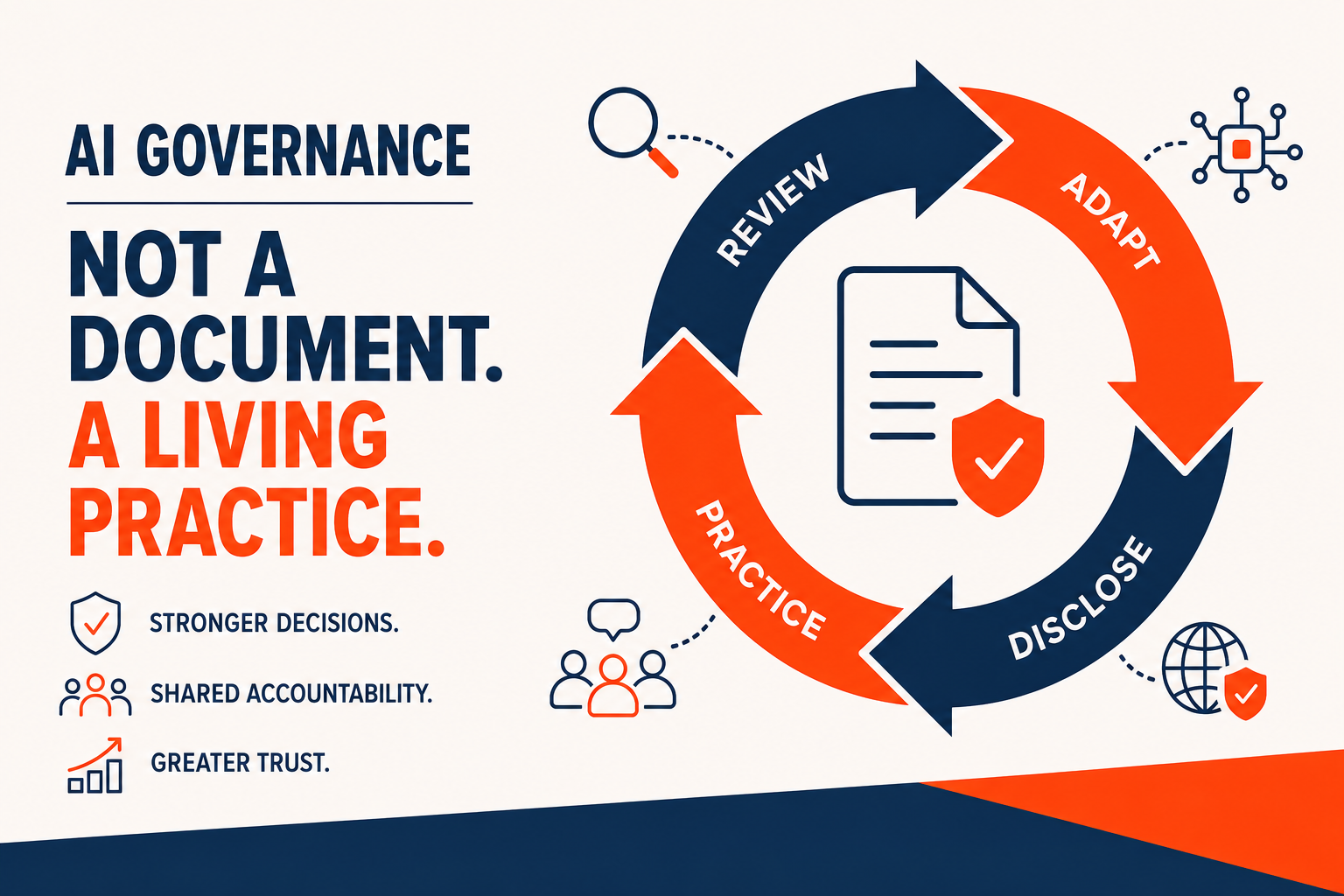
AI Governance Cannot Stand Still When AI Doesn’t
AI is changing faster than most organizational policies. As new models, AI agents, disclosure requirements and regulations emerge, organizations need to move beyond static AI policies toward a living governance practice that evolves with the technology and the work.
-
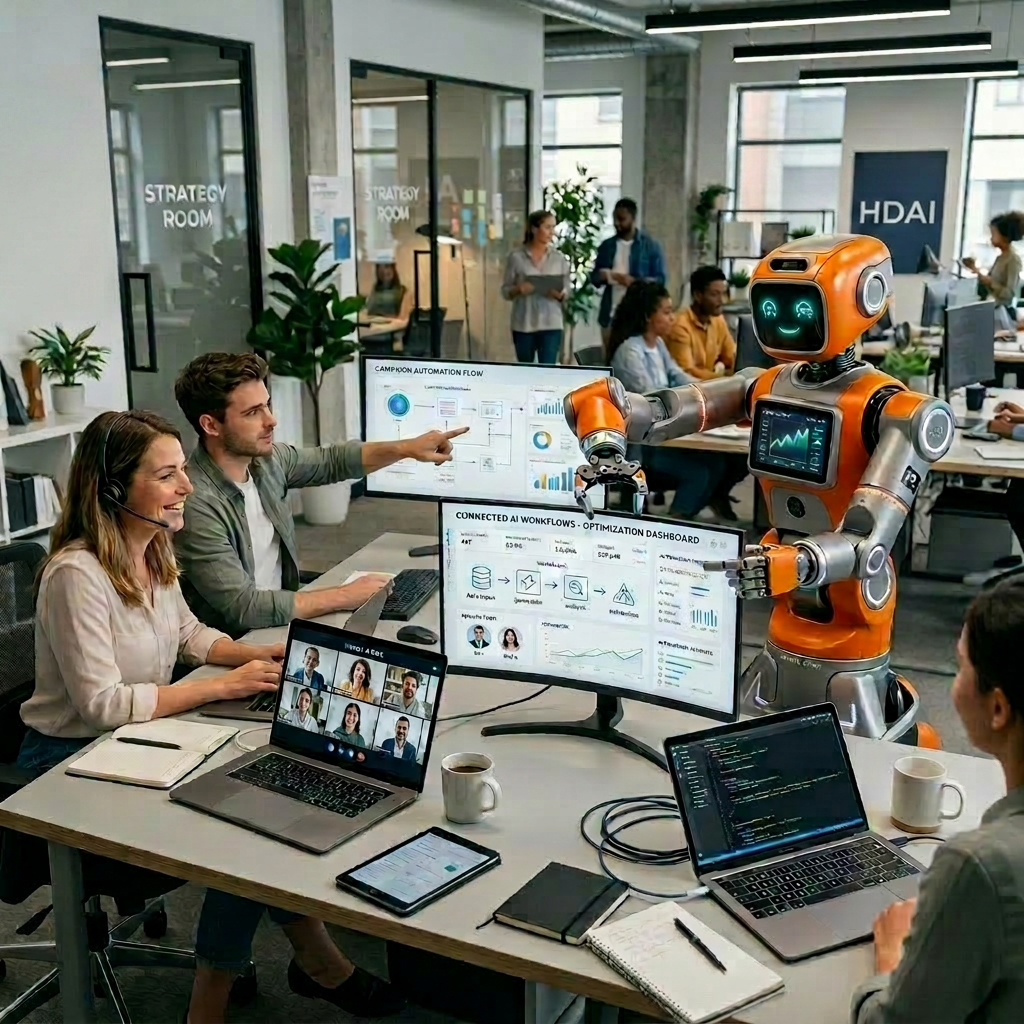
AI Adoption Is About More Than Capability
Organizations want more than prompts, they want AI-driven workflow optimization. Here are the steps for responsible AI adoption.
-

Your AI Problem Isn’t AI. It’s Your Workflow.
Most AI efforts fail because of fragmented tools, unclear policies, and broken workflows. Here’s why tech stack selection and governance must come before AI training, and how to fix it.